


When FIFA announced in December that mandatory hydration breaks would be introduced in every match of the upcoming FIFA World Cup, the decision attracted little attention.
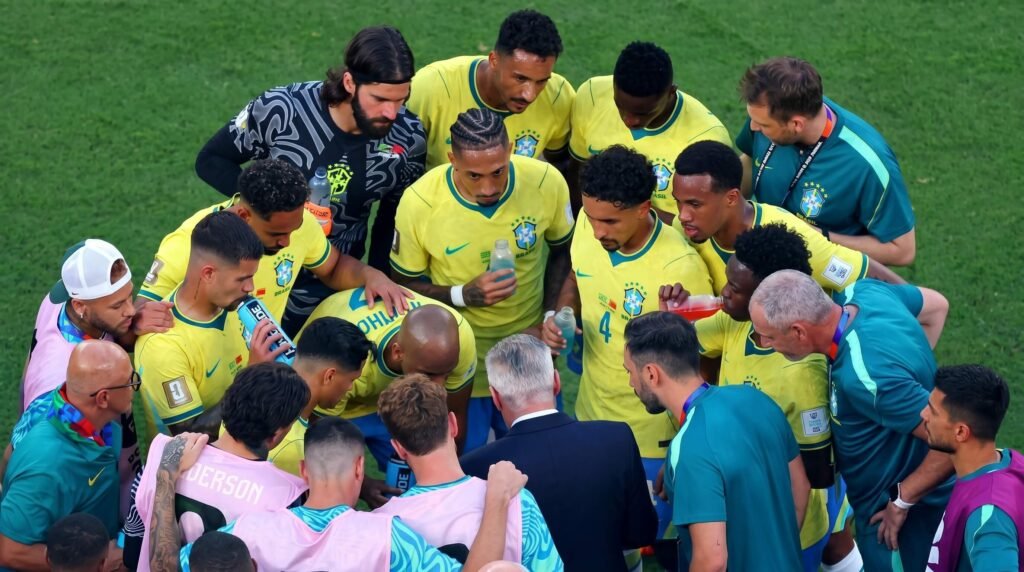
The governing body stated that players would benefit from three-minute hydration breaks in each half as part of its commitment to player welfare during the tournament. On the surface, the move appeared sensible, particularly given concerns about extreme temperatures and player health during major international competitions.
However, many football fans quickly noticed another detail. FIFA’s announcement prominently featured Powerade, the sports drink brand owned by Coca-Cola and one of the tournament’s major sponsors. This raised questions about whether the new breaks were purely about player safety or also about creating additional commercial opportunities.
Why FIFA’s Mandatory Hydration Breaks Are Controversial
At the time of the announcement, most supporters were focused on domestic football. Arsenal’s Premier League title challenge was faltering, Liverpool were struggling for consistency, and the January transfer window was approaching. The World Cup felt far away.
Now that the tournament is underway, criticism of the mandatory hydration breaks has begun to grow.
Netherlands captain Virgil van Dijk recently voiced his concerns after his side’s draw against Japan. While acknowledging that hydration breaks are necessary in extreme heat, he questioned the need for them in every match regardless of weather conditions.
His comments reflect a growing concern among players, pundits, and supporters that football’s natural rhythm is being disrupted.
Football Was Never Designed for Scheduled Commercial Breaks
One of football’s greatest strengths is its continuous flow. Momentum swings, periods of sustained pressure, and tactical adjustments unfold naturally over 45 uninterrupted minutes.
Mandatory hydration breaks change that dynamic.
By introducing two guaranteed stoppages in every match, FIFA is effectively creating scheduled interruptions that allow broadcasters to insert advertisements and sponsors to gain additional exposure. Critics argue that this transforms football into a product increasingly shaped around commercial interests rather than sporting integrity.
The issue has already sparked controversy among broadcasters. Reports emerged that some television networks extended advertising slots beyond FIFA’s official guidelines, while broadcasters in several countries faced criticism for showing advertisements during the breaks.
Irish football analyst Richie Sadler was among those who publicly objected, arguing that commercial breaks during live football fundamentally alter the viewing experience.
From Match-by-Match Decisions to Mandatory World Cup Breaks
Hydration breaks themselves are not new.
FIFA first introduced cooling breaks during the 2014 FIFA World Cup in Brazil. Similar measures were used during the 2022 FIFA World Cup in Qatar whenever weather conditions justified them.
The key difference is that previous tournaments applied hydration breaks on a match-by-match basis.
FIFA’s Qatar 2022 regulations clearly stated that cooling and drinks breaks would only be implemented under extreme weather conditions and would be assessed individually for each game.
For the current tournament, however, FIFA has adopted a different approach. Tournament officials confirmed that every match will feature hydration breaks regardless of temperature, stadium design, or weather conditions.
This shift from occasional player welfare measures to mandatory stoppages has fueled concerns that the breaks are becoming a permanent feature of elite football.
What This Means for Future FIFA World Cups
The next FIFA World Cup will be hosted across Spain, Portugal, and Morocco. Summer temperatures in cities such as Seville, Porto, and Marrakesh can be extremely high, making hydration breaks understandable from a player safety perspective.
Looking further ahead, the 2034 FIFA World Cup in Saudi Arabia is expected to be played during the winter months to avoid extreme summer heat. If temperatures are significantly lower, many observers question whether hydration breaks will still be necessary.
Yet once broadcasters, sponsors, and tournament organisers become accustomed to these guaranteed stoppages, it may be difficult to reverse course.
Many critics believe football is witnessing the gradual normalisation of commercial interruptions that could eventually become as accepted as VAR reviews, sleeve sponsors, and other once-controversial additions to the game.
A Familiar Pattern in Football’s Commercial Evolution
The debate surrounding hydration breaks mirrors previous developments in football’s commercial history.
A useful example is FC Barcelona’s shirt sponsorship journey. The club was once praised for displaying UNICEF on its shirts, with the organisation receiving financial support rather than paying sponsorship fees.
Over time, that partnership evolved into major commercial agreements with brands such as the Qatar Foundation and later Spotify, reflecting football’s increasing reliance on sponsorship revenue.
Critics argue that FIFA’s hydration breaks follow a similar trajectory. What began as a legitimate player welfare initiative may gradually become another monetised element of the matchday experience.
The Future of Football’s Viewing Experience
Player safety should always remain a priority, particularly during tournaments played in challenging weather conditions. Few would oppose hydration breaks when genuinely required.
The controversy arises from FIFA’s decision to make them mandatory in every match, regardless of circumstances.
For many supporters, the concern is not the water break itself but what it represents: another step towards a football landscape increasingly shaped by sponsorship opportunities, advertising revenue, and broadcast demands.
As football continues to evolve, the debate over FIFA World Cup hydration breaks raises a broader question. Where should the line be drawn between protecting players and protecting the integrity of the game?
Only time will tell whether these breaks remain a sensible welfare measure or become yet another commercial fixture in modern football.