


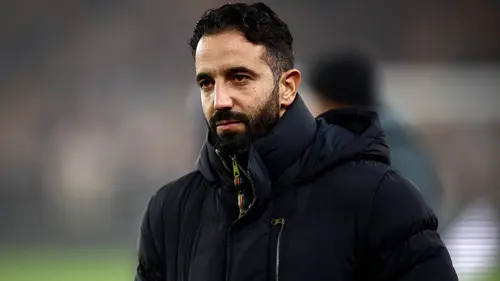
Manchester United fans have seen plenty of hope over the past decade — and just as many letdowns. Promising beginnings have often ended in disappointment, making it hard to judge if anything has truly changed. Now, under new boss Ruben Amorim, there are signs of progress, but caution is wise until results speak for themselves.
Amorim, who recently led United to win the Premier League Summer Series after a 2-2 draw with Everton, knows exactly what’s at stake. His straightforward and open communication style has been refreshing, but it won’t count for much if United falters against Arsenal in their Premier League opener at Old Trafford on 17 August.
“Reactions at Manchester United are always extreme,” Amorim admitted post-match. “If we play well, we’re praised. If not, the criticism is just as loud.”
Despite a brief media appearance, Amorim’s focus was clear: development on the pitch. While key players like Zirkzee, Mazraoui, Onana, and Martinez didn’t feature in the match, they remained active in training. Standards remain high—Amorim expects full commitment.
Unlike former manager Erik ten Hag’s strict style, Amorim treats his squad like professionals, encouraging responsibility and independence. Players were seen casually enjoying Chicago, engaging with fans, and embracing a relaxed, mature environment.
Still, Amorim is no soft touch. Training punishments exist. Poor performance isn’t hidden — it’s reviewed openly with the entire squad. He’s focused on building intelligent players who can adapt during real-game moments.
The pre-season training involved intense physical prep, timed to help players adjust to time zone shifts. Amorim even begins his own fitness routines before sunrise to lead by example.
On the tactical side, fans noticed a fluid system with a back three that transitions into midfield during build-up play — with Matthijs de Ligt playing a key hybrid role. Players like Matheus Cunha and Amad Diallo offer fresh attacking sparks, though there are still question marks, particularly in midfield.
There’s also been speculation around Rasmus Hojlund’s role, with talk of potential upgrades. The lack of midfield physicality is seen as a key area needing improvement, with Bournemouth’s Alex Scott highlighted as a strong example of what’s missing.
Off the pitch, United’s commercial activities were quieter than usual. While the club pushes forward with plans for a £2bn stadium project, no major updates were shared, suggesting delays in the proposed five-year timeline.
For now, Amorim’s task is simple — win football matches. United look sharper, better drilled, and more cohesive than last season. But the real judgment begins when Arsenal visit Old Trafford.
Pre-season progress means little without results. Amorim’s Manchester United might be on the right path — but only the upcoming 38 league games will prove if this is genuine progress or another short-lived revival.